Last Updated: October 31, 2026
Chainsaw Drive Sprocket Wear Signs You Can See in Seconds
A worn chainsaw sprocket shows itself fast: shallow grooves, chipped or hooked teeth, an elongated tooth profile, or a chain that keeps coming loose. Wear marks about 0.5mm deep mean the sprocket is done, according to current technical maintenance guidance, past that limit, a new chain wears out fast.
Identifying these telltale grooves early prevents premature chain failure, a process that mirrors the diligence required when verifying parts compatibility for vintage machinery.
Want the full beginner picture? Our guide to chainsaw maintenance tips for beginners covers the rest of the saw.
How to Inspect a Chainsaw Clutch Drum for Wear, Step by Step
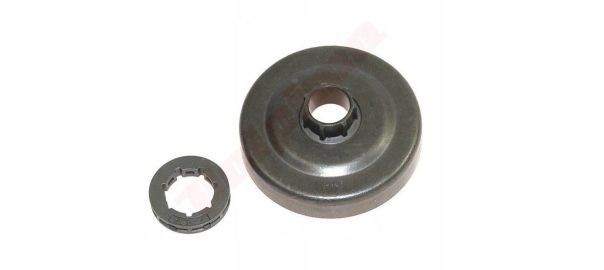
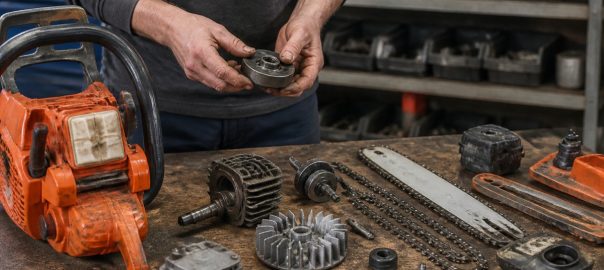
With the saw off and bar removed, slide the clutch drum off the crankshaft and check the sprocket teeth for grooves, chips, or a hooked shape. Measure the wear, then confirm the drum bearing spins smooth and inspect the drive links. Once you find a worn drum, our step-by-step guide to verifying chainsaw part stock shows how to confirm availability before you order.
Spur Sprocket vs Rim Sprocket: Which One Is on Your Saw
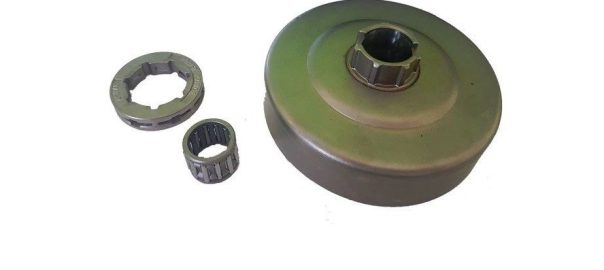
A spur sprocket has teeth cut directly into the clutch drum; a rim sprocket is a separate ring on a hub. Spur sprockets mean replacing the whole drum, while rim sprockets let you swap just the ring.
|
Feature |
Spur Sprocket |
Rim Sprocket |
|---|---|---|
|
Design |
Teeth on the drum |
Separate ring on a hub |
|
Replacement |
Whole drum |
Ring only |
|
Best for |
Occasional use |
Daily cutting |
Not sure which you have? Our guide to chainsaw repair parts for older models helps you track down the right fit.
A worn sprocket will chew through a good chain before you notice. At Chainsaws R US, we stock new and recycled chainsaw parts with Australia-wide shipping, so you can replace the worn part and get back to the job. Get started with Chainsaws R US and keep every chain running true.