Last Updated: November 10, 2026
Quick Summary
Used parts for old chainsaws are worth it when the saw is complete, the part is simple to fit, and you can do the labour yourself. Miss any one of those and the maths usually tips toward a new machine. It is rarely about the part price but the total cost of getting a running saw back into your hands.
- A donor saw often beats buying parts one by one when you need several parts at once.
- Start compatibility checks with the model number stamped on the saw, not the brand name.
- If the repair total is within about half the price of a comparable new saw and you supply the labour, repair usually wins.
- A complete, common model with a single known fault is the one case where repair wins clearly.
- Many older models predate chain brakes and modern vibration control, so the operator carries more risk.
Table of Contents
- When Used Parts for Old Chainsaws Make Financial Sense
- Used Parts vs Aftermarket, New-Old-Stock and Donor Saws
- Parts Availability for Old Chainsaws: What You Can Realistically Source
- How to Verify Used-Part Compatibility Before You Buy
- The Pre-Purchase Inspection Checklist for Used Parts and Project Saws
- Repair or Replace? A Cost Comparison for Older Saws
- Safety and Emissions When Running a Restored Older Saw
- Ordering Used Parts from Chainsaws R US
- Frequently Asked Questions
When Used Parts for Old Chainsaws Make Financial Sense
Used parts for old chainsaws are worth it when three things line up: the saw is complete, the part is simple to fit, and you can do the labour yourself. Miss any one of those and the maths usually tips toward a new machine.
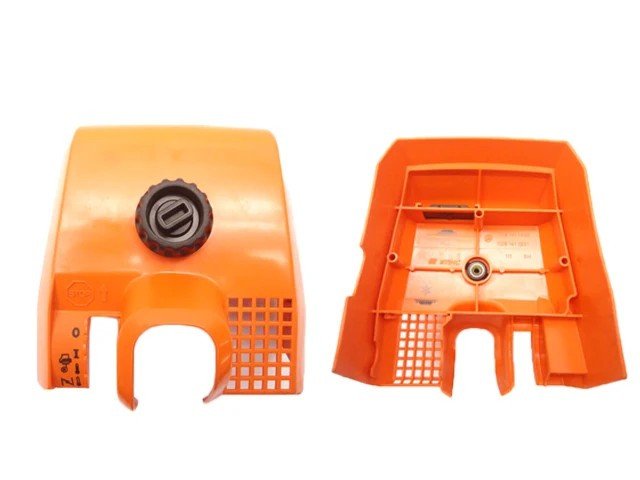
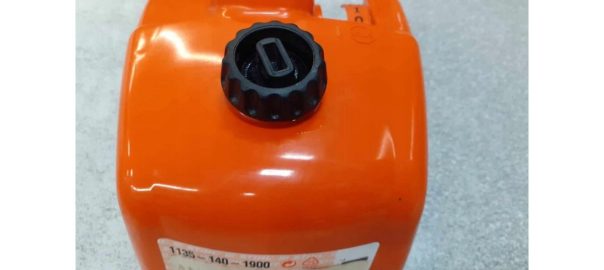
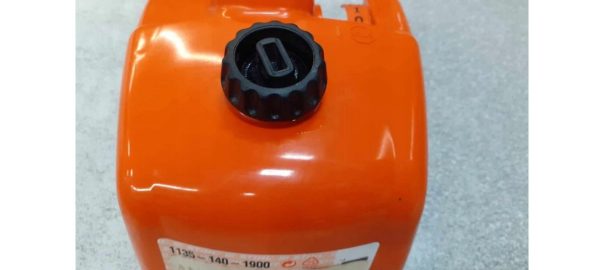
Close-up photo of an orange plastic air filter cover, showing a part number label.
This guide from Chainsaws R US is designed to help arborists, farmers and collectors keep older saws running. We stock both new and recycled parts.
The key insight most buyers miss: it is rarely about the part price. For a closer look at what separates a sound gamble from a bad one, see these signs recycled chainsaw parts are actually reliable.
Here is the honest split:
- Worth it: a complete saw with a known fault, a common model, and a cheap wear part
- Borderline: a rare collectible where originality matters more than cost
- Not worth it: an incomplete saw with unknown faults and no cheap parts supply
We will show you exactly how to sort one from the other below, using a checklist, a cost framework and a compatibility method.
Used Parts vs Aftermarket, New-Old-Stock and Donor Saws
Four routes get an old saw running again, and each suits a different owner. Knowing which one you are dealing with stops you overspending.
- Used parts: pulled from a wrecked saw. Cheapest, but condition is unknown until it arrives.
- Aftermarket parts: new copies of original designs. Easy to source, quality varies widely.
- New-old-stock (NOS): genuine parts never fitted, still boxed. The best fit, the hardest to find.
- Donor saw: a whole second machine bought for spares. Best value when you need several parts at once.
A donor saw often beats buying parts one by one. You get a full set of spares in one purchase, and you can inspect everything before committing.
The trade-off is storage and disposal. Stripping a donor saw takes time, and leftover scrap needs proper recycling.
For collectors chasing originality, NOS and genuine used parts win. For a working saw, aftermarket is often the practical choice.
Parts Availability for Old Chainsaws: What You Can Realistically Source
Availability is the single biggest factor in whether a restoration is viable. Some parts are easy to find. Others are effectively gone.
Online marketplaces now carry steady trade in vintage chainsaw models and parts, according to eBay’s marketplace listings, which helps for common models. But rarity climbs fast once you leave the popular names.
Here is how the four routes compare on the factors that decide whether a used part is worth it:
|
Factor |
Used parts |
Aftermarket |
New-old-stock (NOS) |
Donor saw |
|---|---|---|---|---|
|
Price |
Lowest |
Low to moderate |
Highest |
Moderate, best per-part value |
|
Condition |
Unknown until inspected |
New, quality varies |
New, genuine |
Unknown, but inspectable before purchase |
|
Availability |
Model dependent, often scarce |
Widest for popular models |
Hardest to find |
Occasional, local pick-up common |
|
Fit risk |
High without part-number check |
Moderate, pattern parts vary |
Lowest |
Low if same model and revision |
|
Best for |
Cheap wear parts on common saws |
Working saws needing guaranteed supply |
Collectors and originality |
Several parts needed at once |
A donor saw often beats buying parts one by one. Formal guidance on safe disposal and recycling of chainsaw components has become a standard industry resource, notes SAMR’s chainsaw recycling guide, which matters when you strip a donor saw.
For collectors chasing originality, NOS and genuine used parts win. For a working saw, aftermarket is often the practical choice.
Before ordering anything, confirm it is genuinely in stock. Our guide on how to verify chainsaw part stock walks through the exact steps.
How to Verify Used-Part Compatibility Before You Buy
Compatibility is where most used-part purchases go wrong. A part that looks right in a photo can be millimetres off where it counts.
Start with the model number, not the brand name. Manufacturers change designs within the same family, so the number stamped on the saw is your anchor.
Then check these points:
- Model and serial number match the listing exactly
- Part number on the seller’s listing matches your saw’s parts diagram
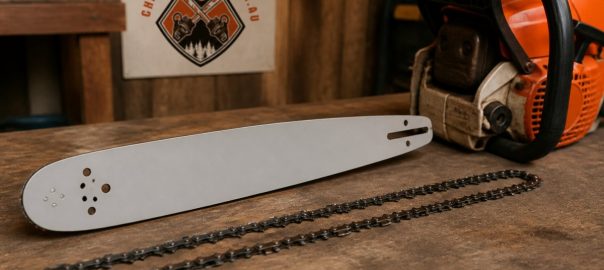
- Mount pattern for bars and chains, including pitch and gauge
- Thread and fitting size for fuel lines and filters
- Photo evidence of the actual part, not a stock image
A model fit guide is the fastest way to shortcut this. If you are matching filters, our model fit guide for buying a chainsaw air filter online shows how to line a part up to a specific saw.
Watch out: sellers sometimes list a part as fitting “many models” when it only fits one generation. Ask for the part number in writing before you pay.
The Pre-Purchase Inspection Checklist for Used Parts and Project Saws
A short inspection before you buy saves hours of frustration later. Run this list every time, whether you are buying a single part or a whole project saw.
- Cylinder bore shows no deep scoring or transfer marks
- Piston skirt is intact with no chips or cracks
- Crankshaft turns freely with no gritty feel
- Crank seals are supple, not cracked or hardened
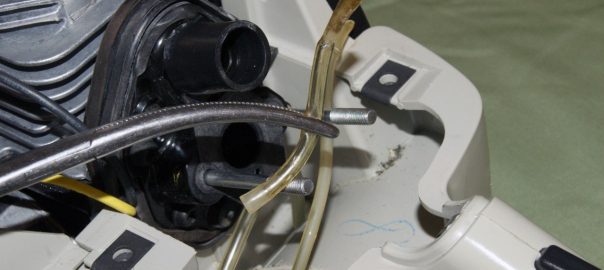
- Fuel lines are flexible, not brittle or split
- Carburettor body is complete with all adjuster screws
- Covers, handles and mounts are uncracked
- Bar rails are straight and the groove is not worn wide
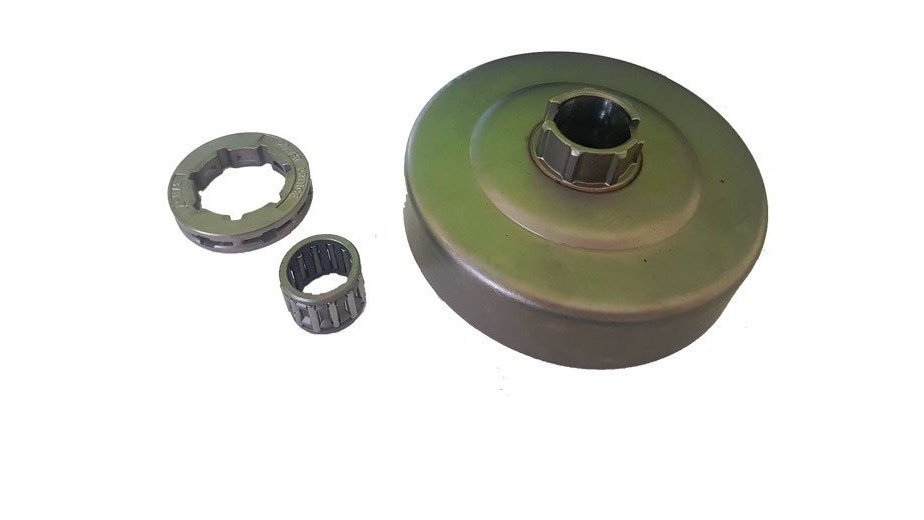
- Clutch drum and sprocket teeth are not hooked
- All fasteners are present and threads are clean
Fuel lines are a common failure point on older saws. If you are replacing them, our guide on what to check before buying a chainsaw fuel line repair kit covers the details that trip people up.
For a project saw, add two more checks: does it turn over by hand, and are the major castings complete? A saw missing covers or a bar is rarely worth the effort.
Repair or Replace? A Cost Comparison for Older Saws
Repair versus replace is not a single decision.
Pricing depends on model, condition, quantity, delivery and supplier. For current prices or a quote, check the Chainsaws R US website. We source new and used genuine and used parts from local, national and international suppliers.
|
Cost line |
Typical range (AUD) |
Notes |
|---|---|---|
|
Used cylinder and piston (common model) |
$60-$180 |
Condition unknown until inspected |
|
Aftermarket cylinder and piston kit |
$90-$220 |
Quality varies widely |
|
New-old-stock genuine top end |
$200-$450 |
Hard to find, best fit |
|
Carburettor rebuild kit |
$15-$45 |
Cheap if the body is sound |
|
Fuel line and filter kit |
$10-$30 |
Common failure point |
|
Clutch drum and sprocket |
$30-$90 |
Wear item |
|
Bar and chain (common mount) |
$80-$250 |
Consumable |
|
Donor saw (complete, non-running) |
$80-$300 |
Best value when several parts needed |
|
Professional labour (if outsourced) |
$90-$150 per hour |
Often exceeds part cost |
|
Shipping to regional areas |
$15-$60 |
Can tip a marginal repair |
A repair-versus-replace calculator is simple to run, but use honest inputs:
- Add up every part needed, including consumables and shipping.
- Add your own time at a realistic hourly rate, even hobby time has a value.
- Add any tooling you need to buy for the job.
- Compare that total to the cost of a new saw with similar capability, allowing for the new saw’s warranty and guaranteed parts supply.
- If the repair total is within about half the price of a comparable new saw and you supply the labour, repair usually wins. If it approaches or exceeds that price, replace.
The decision also changes by owner:
- Occasional user: a complete common model with one known fault is worth repairing with used parts. An incomplete or seized saw is not.
- Professional user: downtime and safety features matter more than part price. A new saw with a warranty and current chain brake is usually the better business case.
- Hobby restorer: used and new-old-stock parts make sense when originality matters, even if the total exceeds resale value.
- Collector: condition and completeness drive value, so genuine used parts and NOS are worth paying for; aftermarket parts can reduce collectible value.
Watch out: a cheap used part that arrives worn or incompatible turns a marginal repair into a loss, because return shipping and your time are rarely recoverable.
The one case where repair wins clearly is a complete, common model with a single known fault. A runner with a worn fuel line is a cheap fix.
Typical cost ranges for older chainsaw repair parts (AUD)
Safety and Emissions When Running a Restored Older Saw
Restored saws need more caution than new ones. Many older models predate chain brakes and modern vibration control, so the operator carries more risk.
Before you put a restored saw to work, check these:
- Chain brake: if fitted, test it every session
- Kickback guard: confirm it is present and undamaged
- Vibration: older saws transmit more, so limit continuous cutting time
- Exhaust: two-stroke emissions are higher, so never run it indoors
- Fuel mix: confirm the correct ratio for that engine
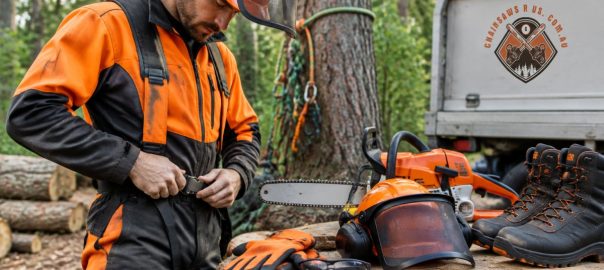
Protective gear is not optional. Tree surgeons and arborists should wear rated chaps, helmet, eye and hearing protection. Our guide on choosing chainsaw safety gear for tree surgeons covers what to look for.
Emissions are worth a thought too. A restored older saw will not meet current standards, so treat it as a tool for occasional or hobby use, not all-day commercial work.
Ordering Used Parts from Chainsaws R US
We ship Australia-wide.
At Chainsaws R US, we stock an extensive range of new and recycled chainsaw parts. We are also an authorised Clogger reseller.
A few things that make ordering simpler:
- Confirm your model number before you order
- Check with us about stock before ordering if a part is critical to a job
Restoring an old saw is rewarding, but only when the parts are right and the saw is safe to run. The difference between a good project and a costly one is usually a few minutes of checking before you buy. At Chainsaws R US, we help you get that right with a wide range of new and recycled parts, Australia-wide shipping, and gear from Clogger as an authorised reseller. Get started with Chainsaws R US and keep your old saw running safely.
Frequently Asked Questions
Are old chainsaws worth repairing?
It depends on the saw’s condition, parts availability and your labour. A complete saw that starts and runs with minor faults is usually worth repairing, especially if you do the work yourself. A saw with a cracked cylinder, damaged housing or missing major components often costs more in parts and time than a new saw. Check the model number, confirm parts availability for old chainsaws, and compare the total repair cost against replacement before committing.
How do I know if a used chainsaw part will fit my saw?
Match the part to your saw’s exact model number and serial number range, not just the brand. Chainsaw models change across production runs, so a part from a similar-looking saw may not fit. Ask the seller for the donor saw’s model and serial number, compare part numbers against a parts diagram, and confirm the listing states compatibility. If the seller cannot verify fitment, treat the used part as a gamble rather than a saving.
Are used chainsaw parts reliable?
Used parts from a low-hour, complete saw are generally reliable if you inspect them first. Check for scoring on cylinders and pistons, wear on sprockets and bars, and cracks in housings. Avoid used parts that are consumable or safety-critical, such as chain brake assemblies, fuel lines and crankshaft bearings, where new replacements are inexpensive and failure is costly. Buy from sellers who test parts and offer returns.
Where can I find parts for discontinued chainsaws?
Sources include new-old-stock parts, donor saws, specialist small-engine shops and online parts inventories that ship orders Australia-wide. Start with the model number and search for new-old-stock first, then used parts from a donor saw. For hard-to-find vintage models, join collector groups and set up saved searches. Confirm the seller’s return policy and whether the part is tested before you buy.